


Is Private University a Solution for Kerala’s Higher Education Challenges?


Kerala has consistently secured the highest Human Development Index (HDI) value in the country- 7.5 since 1990- based on its achievements in literacy, healthcare, and per capita income. The state has long upheld the principles of the Right to Education (RTE) Act and sought to implement educational policies in line with national standards. Yet, despite these achievements, Kerala continues to face a worrying trend: the steady migration of its educated youth and a decline in the state’s entrepreneurial environment.
Is the Quality of Education Deteriorating in Kerala?
Kerala’s approach to education, especially at the primary level, has often been praised. But what about higher education? Why do so many students prefer to leave the state for advanced studies? While Kerala ensures literacy in Malayalam, how many institutions enable students to develop competencies in other languages or global skills? How many schools or colleges offer opportunities to learn new languages as part of their curriculum?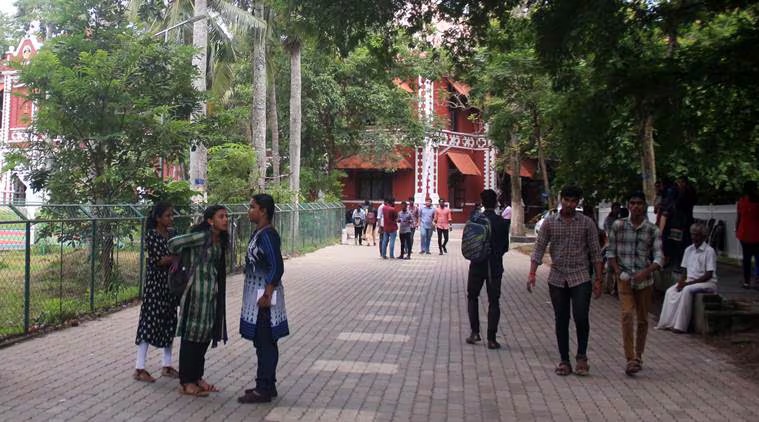 REPRESENTATIVE IMAGE | PHOTO: WIKI COMMONS
According to the Educational Statistics at a Glance 2018 report from the Ministry of Human Resource Development (MHRD), Kerala records the lowest school dropout rate in the country. The all-India average dropout rate at the primary level is 4.13%, 4.03% at the upper primary level, and 17.06% at the secondary level. In Kerala, however, the dropout rate has steadily declined, reaching just 0.08% in 2022–23. During the same period, 3.53 lakh students were enrolled in various arts and science colleges (excluding unaided colleges) under the state’s four general universities.
The government regularly collects and publishes data on education indicators used to evaluate quality. But what about data on student migration? According to the Kerala Migration Survey 2023, the number of students migrating for higher education increased from 1.29 lakh in 2018 to 2.5 lakh in 2023, representing 11.3% of the state’s total emigrants. Ernakulam (18.1%), Thrissur (14.7%), and Kollam (8.9%) account for the highest shares of outbound students, while Wayanad (1.5%), Kasaragod (1.8%), and Thiruvananthapuram (2.0%) have the lowest. Of the total, 45.6% are female and 54.4% male. The UK hosts more than 35,000 students from Kerala, followed by over 25,000 in Canada. REPRESENTATIVE IMAGE | PHOTO: WIKI COMMONS
Why Do Students Choose to Move?
Since India’s economic liberalisation under the New Economic Policy of 1990, Kerala too needs to open up its economy and promote private participation in higher education. Encouraging the establishment of private universities and research institutions could increase competition, improve teaching standards, and introduce outcome-based education, enhancing the overall quality of higher education.
Kerala’s society also lacks exposure to multicultural learning environments, unlike major cities and metropolitan regions. Establishing high-quality institutions in the state could not only provide such exposure but also create new employment opportunities for qualified educators, including PhD holders currently under-employed. This, in turn, could help reduce student migration and retain talent within the state.
It is time for Kerala to step out of its comfort zone and invest strategically in higher education. As educated unemployment and student migration dominate policy discussions, the state must act decisively. Can Kerala’s human capital continue to depend on other states and countries for education and employment opportunities?
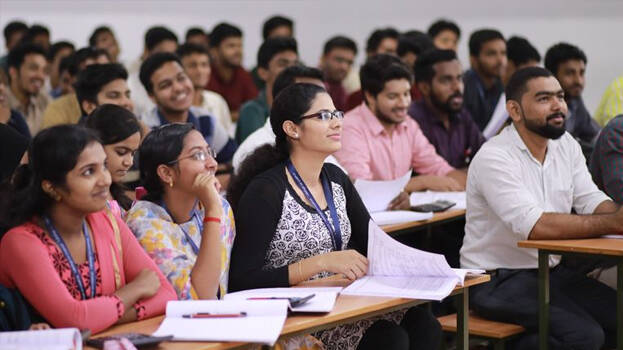 REPRESENTATIVE IMAGE | PHOTO: WIKI COMMONS
Prioritising State Action
Kerala must address the underlying causes driving students out of the state for higher education. Transforming Kerala into an educational hub is no easy task, despite its literacy achievements. A structural transformation in the employment sector is essential to attract and retain skilled youth. The traditional belief that only government jobs are secure must give way to a more dynamic understanding of private employment; supported by strong labour protections. Just as the state integrates migrant workers into its economy, it should also design policies that make private-sector employment more attractive and secure.
The introduction of interdisciplinary courses and specialised programmes within Kerala’s universities could increase the demand for local higher education. Many of Kerala’s brightest students currently pursue studies at JNU, central universities, IITs, and IIMs. By improving quality and research opportunities, the state could retain this “creamy layer” of talent.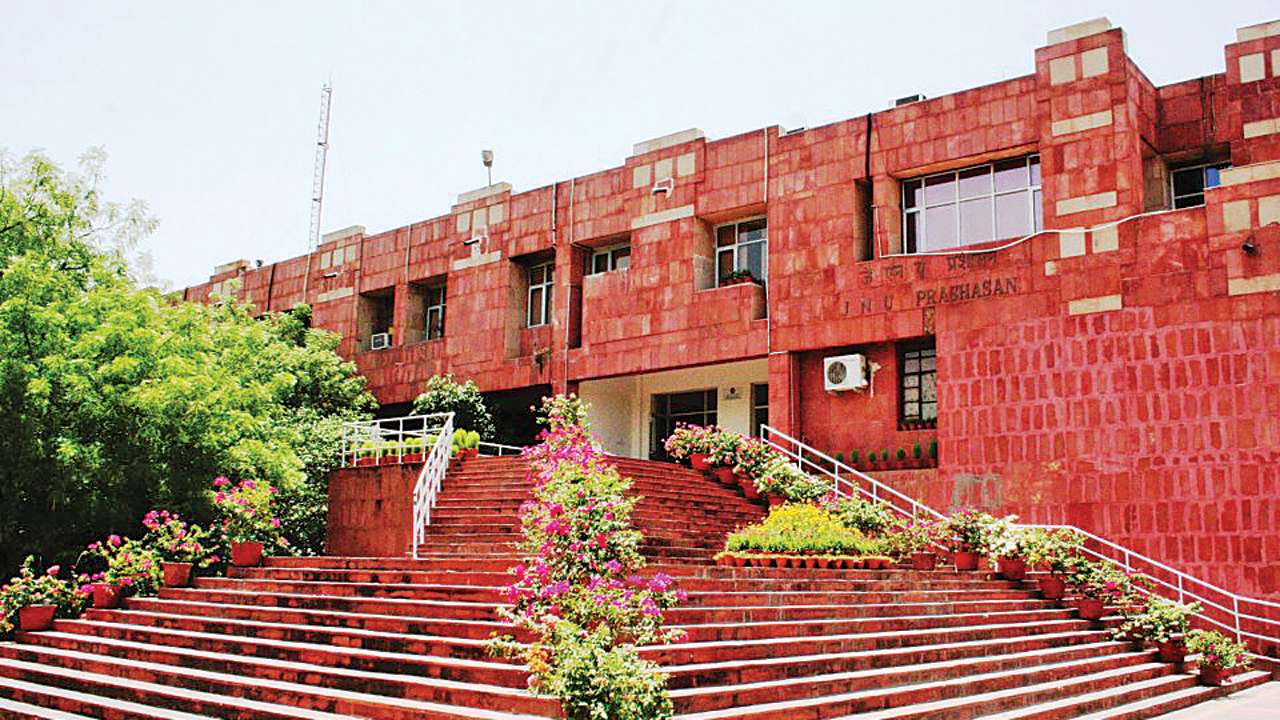 REPRESENTATIVE IMAGE | PHOTO: WIKI COMMONS
For that to happen, the quality of teaching and institutional infrastructure must significantly improve. When students demand better standards, institutions will be compelled to hire globally competent educators. Establishing private universities and research centres with a focus on higher education could even encourage students who left the state in the 2000s to return and contribute.
Inviting private universities from other states and countries to set up campuses in Kerala can further raise standards. Policy frameworks should ensure that these institutions not only cater to local students but also attract learners from across India and abroad. At the same time, scholarship programmes and fee concessions must be built into the system to preserve social inclusivity and equity in education.
Kerala Start-up Mission: Success or Struggle?
The Kerala Start-up Mission (KSUM) was launched to create an ecosystem for entrepreneurship and innovation. Data from 2022 show that Kerala raised $15.2 million for hardware product and service-based start-ups; 2.7% of the total venture capital investment in India. Among these start-ups, 56.1% are in the growth stage, 31.7% in the late stage, and 12.2% in the seed stage. Notably, 95% of Kerala’s start-ups were launched after 2016.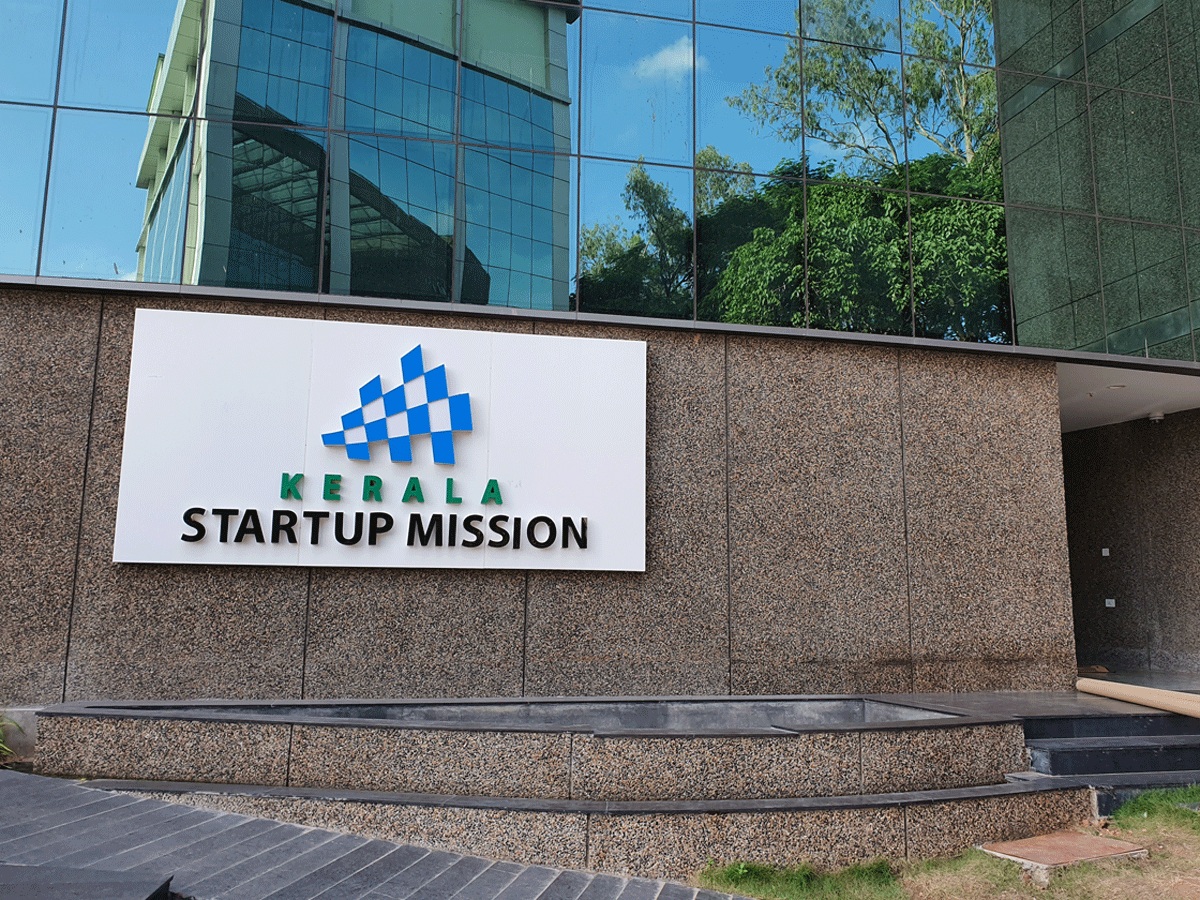 REPRESENTATIVE IMAGE | PHOTO: WIKI COMMONS
However, challenges persist. Kerala’s start-up ecosystem lacks the competitive exposure seen in metro cities. Funding levels remain modest, and many start-ups struggle with low returns, lack of mentorship, and limited market access. Most are concentrated in Thiruvananthapuram (39.4%) and Kochi (36.4%), leaving other regions underdeveloped.
The state must build stronger infrastructure, financial support, and digital connectivity to make entrepreneurship more viable. Currently, complex regulations and bureaucratic inefficiencies deter potential entrepreneurs. Without addressing these systemic barriers, it will be difficult for Kerala to match the dynamism of hubs like Bengaluru, Chennai, or Hyderabad.
The Way Forward
To become competitive in the global knowledge economy, Kerala must reduce its fiscal deficit, strengthen its private employment base, and create conditions for its talented youth to thrive locally. Establishing private universities and research institutions could be a pivotal step; one that revitalises higher education, boosts innovation, and offers students a compelling reason to stay and succeed in their own state.